
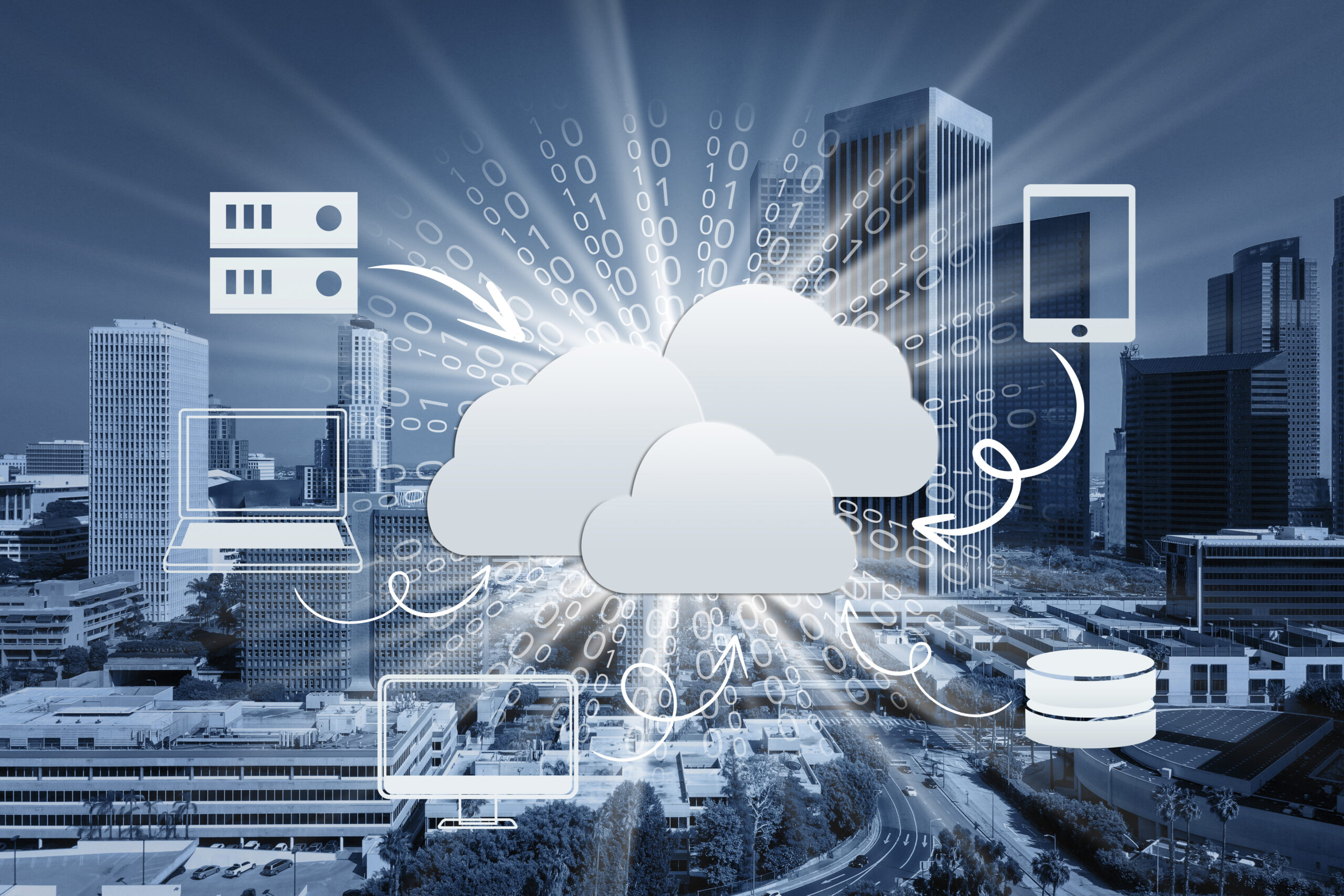
How Cloud-Based Disaster Recovery Saves Time, Money & Stress
July 27, 2026Imagine you arrive at the workplace and discover your system is not working. You can’t access files, emails have stopped working, and customers are not able to reach you. A cyber attack, hardware problem, or accidental deletion can stop your business in minutes. For small and medium-sized enterprises, even a few hours of system outage can result in loss of revenue, reduced productivity, and annoyed customers. That’s why having a good cloud disaster recovery plan is essential.
Cloud disaster recovery helps businesses to quickly restore their critical systems and important data after an unexpected incident. Modern Cloud disaster recovery services help SMEs to get backup faster, reduce downtime, and keep running their business smoothly without the need of very expensive backup infrastructure.
So, let’s explore how cloud-based disaster recovery works and why it’s the smartest investment for SMEs.
What Does Disaster Recovery Mean for SMEs?
When the average person thinks of “disaster recovery,” they think of big disasters like fires or floods. In reality, businesses today are likely to be impacted by
-Ransomware
-Server and hardware crashes
-Human error like accidental deletions
-Corrupted software
-Power outages
All of these can halt normal operations, keep staff from working, and erode customer confidence. Many small and medium businesses do not have the IT support to help them recover. That is why disaster recovery is so much more than file backups, it’s about continuing operations with as little disruption as possible.
How Cloud-Based Disaster Recovery Works?
Modern cloud disaster recovery uses secure cloud infrastructure to keep your systems and business data ready for recovery.
Here’s how it works:
Continuous Data Replication
A secure cloud server keeps replicated versions of important documents, applications, and data.
Automated Backups
Necessary documents, databases, emails, and business applications can be programmed to create backups at defined intervals.
Fast Failover
If an on-premises system is compromised or malfunctions, employees will be able to access the cloud to resume work.
Quick Recovery
When your systems are restored to normal, there will be a very short downtime to transfer data and applications back.
Replication, backup, and failover create a more robust system of cloud disaster recovery service than the traditional systems of backup and recovery.
How Cloud Disaster Recovery Saves Time?
One of the largest expenses when dealing with an IT outage is time. Recovering the traditional way means having to replace the hardware, set the operating system back up from scratch, restore the backup files, and reconfigure the applications. Depending on the scenario, this can take several hours or even days.
With cloud disaster recovery:
-Systems can be restored faster.
-Employees get application access faster.
-There is less of an impact on a business’s day-to-day operations.
-IT teams spend less time doing recovery tasks.
The faster the recovery is, the less time a business has to deal with an outage and the more time it has to serve customers.
How It Saves Money?
While SMEs consider disaster recovery as something costly, the expense of the downtime is even greater.
Cloud disaster recovery cuts down costs in various ways:
Downtime Reduction : Each hour when the business is out of action causes sales loss, opportunity loss, and loss of employee productivity. Fast recovery reduces such financial damage.
Exclusion of the Costly Backup Infrastructure: Conventional disaster recovery system required companies to have duplicate servers or another data center. Cloud disaster recovery eliminates the necessity by storing replicated systems in the cloud.
Less IT Expenses : Automated backup and restoration make IT department spend less time on handling the emergency, thus freeing up for more useful business activities.
Protection of Business Critical Information :Fast recovery saves valuable files and prevents businesses from costly data loss in case of cyberattack.
How Cloud Disaster Recovery Reduces Stress?
The pressure can be very high for both employers and employees when technology fails.
Having a good disaster recovery plan means that a company can rest easy knowing that it has a disaster recovery plan in place.
This means:
-Awareness that you are safe as far as your data is concerned.
-Office employees can remain calm during emergencies.
-Increased security against unexpected events.
-Continuity of operation during technology malfunction
Real-World Situations Where Cloud Disaster Recovery Helps
Malicious Email
A damaging email encrypts company documents so that employees cannot gain access to important files. Cloud backup allows for quick restoration of clean versions of an organization’s entire system, which minimizes downtime.
Server Crash
An old server malfunctioned. Instead of waiting for new, the old one can be replaced by cloud-based recovery systems.
Human Error
One of the employees accidentally erases essential documents belonging to clients. The office has backup information in the cloud that allows the files to be restored quickly.
Premises Failure
A power failure or a problem with the internet access impedes the use of the systems on the premises. The employees continue with their work using cloud-based technologies.
These situations show the importance of disaster recovery for businesses, as it is needed not only during big catastrophes.
Is Cloud Disaster Recovery Right for Every SME?
The cloud-based disaster recovery approach will be of great help to firms which:
-Always use digital procedures.
-Advocate for the practice of telecommuting.
-Work with Microsoft 365 or cloud software applications.
-Must adhere to compliance or security laws.
-They keep critical info about customers or finances.
-They cannot suffer a long downtime.
If losing access to your services even for a couple of hours will negatively influence your business, investing in these services is a wise decision.
Why Choose Venom IT?
Venom IT allows small and medium businesses to set up a robust IT infrastructure.
Our services include:
– Disaster recovery strategy
– Cloud backup and cloning
– Business continuity strategy
– Disaster recovery testing
– Constant support
– Specialized solutions for other organizations
Conclusion
IT disruptions are happening more often, and this can have serious consequences for a business. Investing in cloud disaster recovery allows SMEs to speed up recovery, minimize the time of system downtime, protect the integrity of important data, and avoid the costs associated with long-lasting outages.
Good cloud disaster recovery solutions are more than just a backup; they help your business operate with confidence even when something unexpected happens.
Ready to Protect Your Business?
Don’t wait until an outage exposes weaknesses in your IT infrastructure. Contact Venom IT today for a disaster recovery readiness review. Our experts will assess your current environment and recommend a cloud disaster recovery solution that keeps your business secure, resilient, and ready for whatever comes next.
Related News
4 min read

4 min read

8 min read